
There’s no doubt that probiotics play a vital role in our gut health, battling bad bacteria to keep us healthy. But how do we ensure we’re getting enough, and when might we need a little extra?
Antibiotics vs. Probiotics
Children explore the world with curious hands and mouths, which means they’re exposed to countless microbes—tiny organisms, like bacteria, that can be either helpful or harmful. When bad bacteria lead to illness, antibiotics are often needed. Unfortunately, antibiotics don’t discriminate and can kill the good bacteria in our gut, leading to imbalances.
Pro tip: After a course of antibiotics, incorporating probiotics into your child’s diet may help restore a healthy balance of gut bacteria.
What Are Probiotics?
Probiotics are often called good bacteria. These friendly microbes line the walls of the gut and support digestion, immunity, and overall health. They compete with bad bacteria, preventing harmful microbes from taking over and even neutralising toxins.
Sources of Probiotics
Food
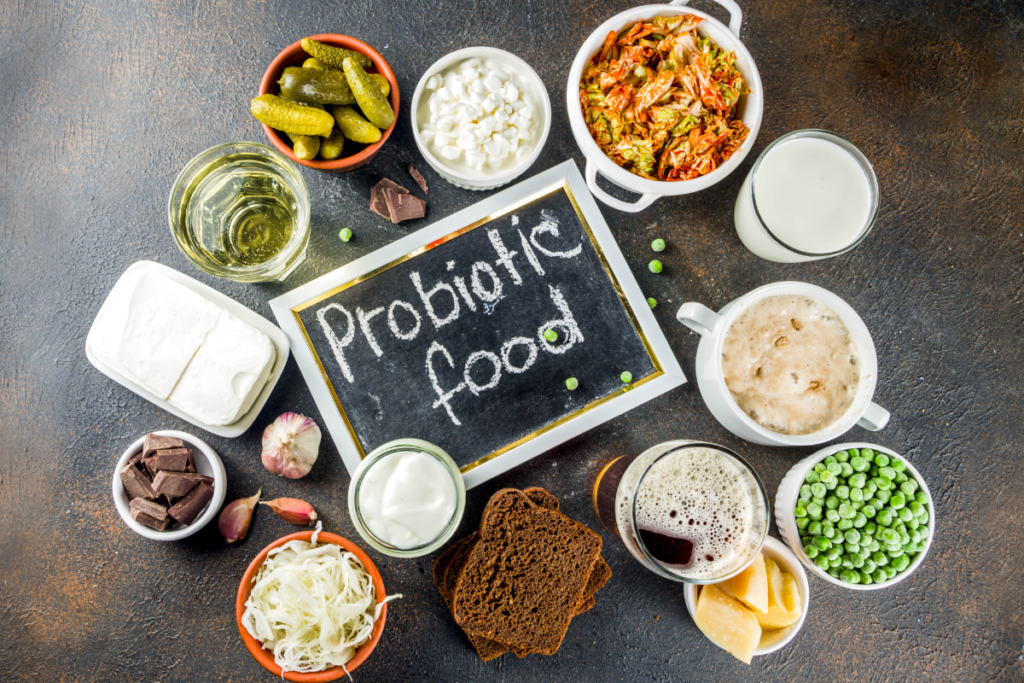
Probiotics have been consumed for centuries through fermented foods such as:
- Yoghurt (look for live cultures on the label).
- Kefir.
- Sauerkraut and kimchi.
- Miso soup.
- Kombucha.
For children, yoghurt or kefir smoothies can be an easy way to incorporate probiotics into their diet.
Supplements
Probiotic supplements often provide higher doses than food and are targeted at specific health needs. Speak to your GP or a nutritionist to find the right option for your family.
Health Benefits of Probiotics
- Boosting Immunity: Probiotics help train young immune systems to respond appropriately to pathogens.
- Reducing Antibiotic Side Effects: Probiotics can alleviate antibiotic-associated diarrhoea by replenishing good bacteria.
- Improving Digestion: Probiotics aid in breaking down lactose, reducing symptoms in children with mild lactose intolerance.
Prebiotics: The Probiotic Booster
Probiotics need fuel, and that’s where prebiotics come in. Prebiotics are non-digestible sugars that feed probiotics and help them thrive.
Prebiotic-rich foods include:
- Bananas.
- Whole grains.
- Onions and garlic.
- Honey.
Pairing probiotics with prebiotics (like yoghurt with a banana) creates a symbiotic relationship that enhances gut health.
Tips for Maximising Probiotic Benefits
- Buy Smart: Check expiry dates and refrigerate probiotic foods and supplements to preserve their potency.
- Go Fresh: Try making your own yoghurt or kefir for maximum freshness.
- Add to Meals: Incorporate probiotics into everyday recipes like yoghurt dressings, dips, or soups.
- Pack School-Friendly Snacks: Send miso soup in a thermos or add a small portion of sauerkraut to their lunchbox.
Probiotics in Action: A Recipe
Choc-Blueberry Probiotic Smoothie
Makes 4
Ingredients
- 100g dark chocolate
- 30g dark chocolate, grated
- 240g blueberries (fresh or frozen)
- 650g probiotic yoghurt (blueberry-flavoured or plain)
- 100ml refrigerated milk
- 500ml vanilla ice-cream
Directions
- Melt the dark chocolate in a bowl over simmering water.
- Blend yoghurt, milk, and ice cream in a blender.
- Add melted chocolate and blend well.
- Mix in blueberries and grated chocolate. Pour into glasses and serve chilled.
When to Consult a GP
While food-based probiotics are generally safe, supplements require more caution. Talk to your GP about:
- Choosing the right strain of probiotics for specific health issues.
- Safe dosages for children.
- Persistent digestive issues that may require further investigation.
Probiotics are powerful allies in maintaining gut health and overall well-being. By incorporating probiotic-rich foods and supplements where appropriate, you can support your family’s health in a natural and effective way. And with a little creativity, like whipping up a tasty smoothie, taking care of their tummies has never been so delicious!
By Christelle Le Ru, cookbook author & mum of five.
www.christelle-leru.com.
Project Nutrition is an organisation that aims to promote health and wellbeing through good nutritional advice that is accessible and affordable for everyone. www.projectnutrition.co.nz.